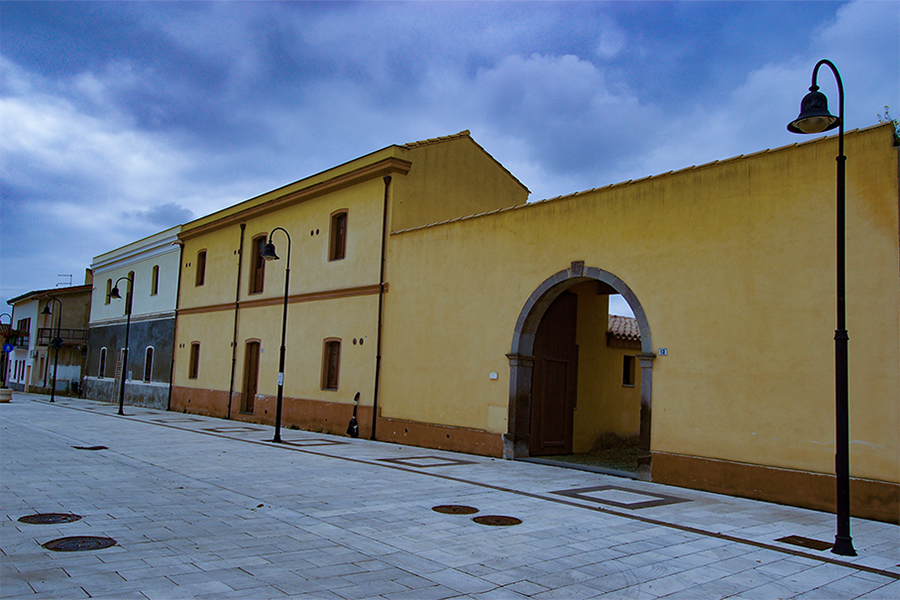
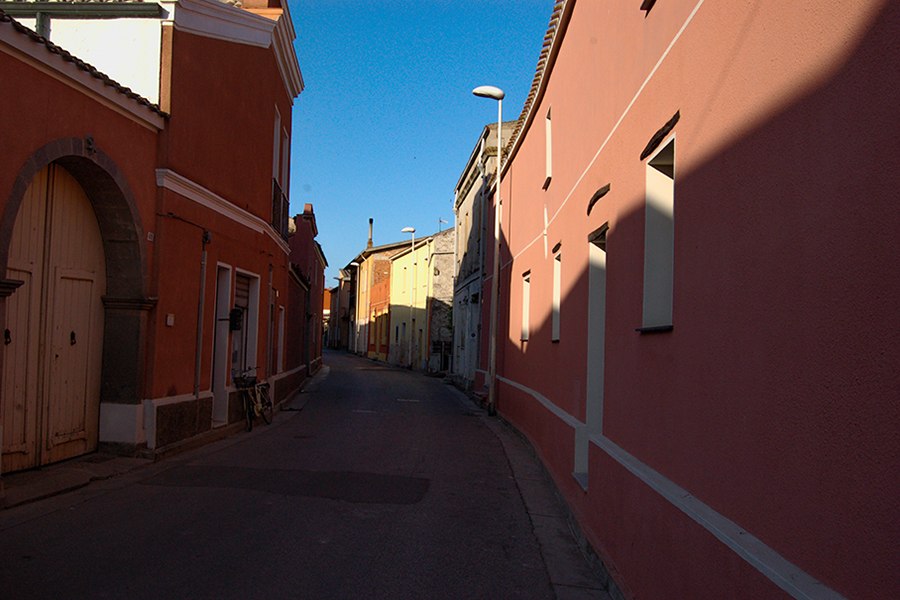
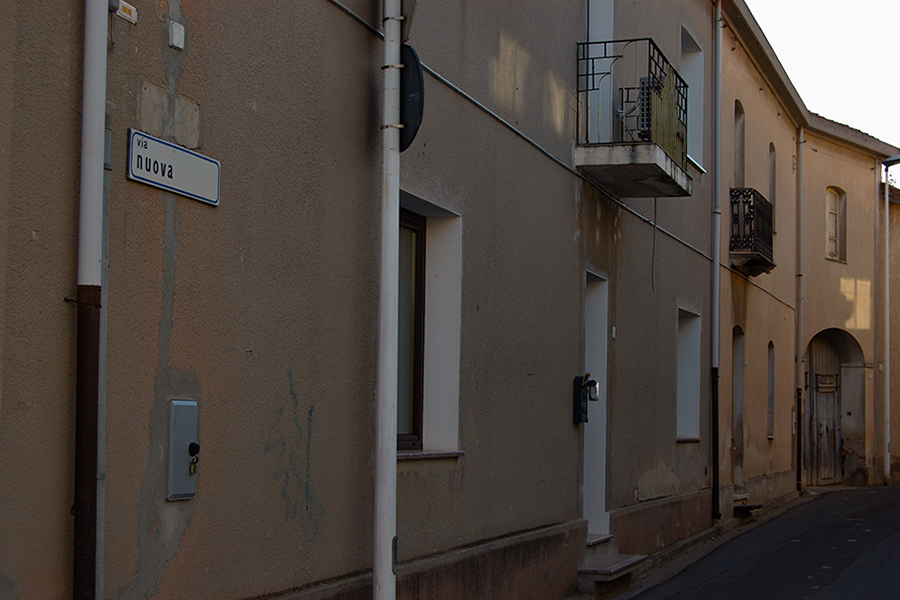
Villasor lies on a very fertile plain, watered by Flumini Mannu and other streams, which has favored agriculture since Roman times, to which necropolis, remains of a bridge and a settlement near the thermal spring of s’Acqua Cotta date back. Under the Spanish Crown it was first a county (1537), then a marquisate (1594), and today it is one of the main agricultural centers of southern Sardinia, in particular artichokes are grown. The historic center preserves a legacy of the glorious past: the castle of Villasor, built in 1415 by feudal lord John Siviller on the ruins of the Byzantine church of St. Mary of Gippi. Over the centuries the building has served as a barracks, prison, school and agricultural shed. Currently the halls host exhibitions and conferences. Coeval with the castle is the parish church of St. Blaise, built in Catalan-Gothic style on the model of St. James of Cagliari and restored between the 18th and 19th centuries. The patron saint is celebrated on February 2. The church of St. Vitalia was built in the late 19th century on an old building in the present suburb. The most heartfelt feast is held for the martyr in mid-October. The church of St. Antiochus holds a baptismal font from 1743, an altar with a 17th-18th century painting, two inlaid wooden altars, and a Byzantine marble depicting a lion and bull. The shrine is contemporary with and related to the former Capuchin monastery, founded in 1630, which later became a town hall, school, kindergarten, and finally a library. The greatest Nuragic evidence is su Sonadori, at s’Acqua Cotta, a complex consisting of a central tower with a diameter of ten meters, datable between Middle and Recent Bronze Age, surrounded by a bastion formed by six ‘autonomous’ buildings, different in shape and size, connected by curtain walls. Around it you will notice the remains of the huts of a village. The historic center is characterized by typical Campidanese houses, made of mud brick with large courtyards.